Coleção 125+ Charger Daytona 1969 Dodge Plymouth Superbird. The 1969 dodge charger daytona and 1970 plymouth superbird were produced solely for the purpose of homologating their aerodynamics package for nascar competition. The dodge charger daytona and plymouth superbird, aerodynamic supercars.

Melhor Dodge Charger Daytona 1969 With The Racing Failure Of Th Flickr
The plymouth superbird and dodge charger daytona. Although a fastback ford torino driven by david pearson won the championship in 1969, superbirds and daytonas won 38 races in 1970 and daytona driver bobby isaac took the championship. The 1969 dodge charger daytona, sometimes called the dodge daytona, was created using a wind tunnel to eliminate aerodynamic obstructions. Racing was becoming big business in the late 1960s, due to the factories' recognition of racing as a valuable marketing tool. The dodge charger daytona and plymouth superbird, aerodynamic supercars.These aren't visual features that set them apart, but it's important to know that the dodge charger daytona arrived in …
The 1969 dodge charger daytona, sometimes called the dodge daytona, was created using a wind tunnel to eliminate aerodynamic obstructions. The 1969 dodge charger daytona, sometimes called the dodge daytona, was created using a wind tunnel to eliminate aerodynamic obstructions. The 1969 dodge charger daytona (street version at right) and the 1970 plymouth superbird were created for the singular purpose of putting chrysler across the finish line first on the nation's stock car tracks. These aren't visual features that set them apart, but it's important to know that the dodge charger daytona arrived in … The 1969 dodge charger daytona and 1970 plymouth superbird were produced solely for the purpose of homologating their aerodynamics package for nascar competition. The plymouth superbird and dodge charger daytona. Chrysler started experimenting with aerodynamics in the 1920s, but not until 1969 did they release the most aerodynamic car of its time — one whose drag coefficient was not matched for many years, yet was built on an existing model with relatively few changes. Although a fastback ford torino driven by david pearson won the championship in 1969, superbirds and daytonas won 38 races in 1970 and daytona driver bobby isaac took the championship.
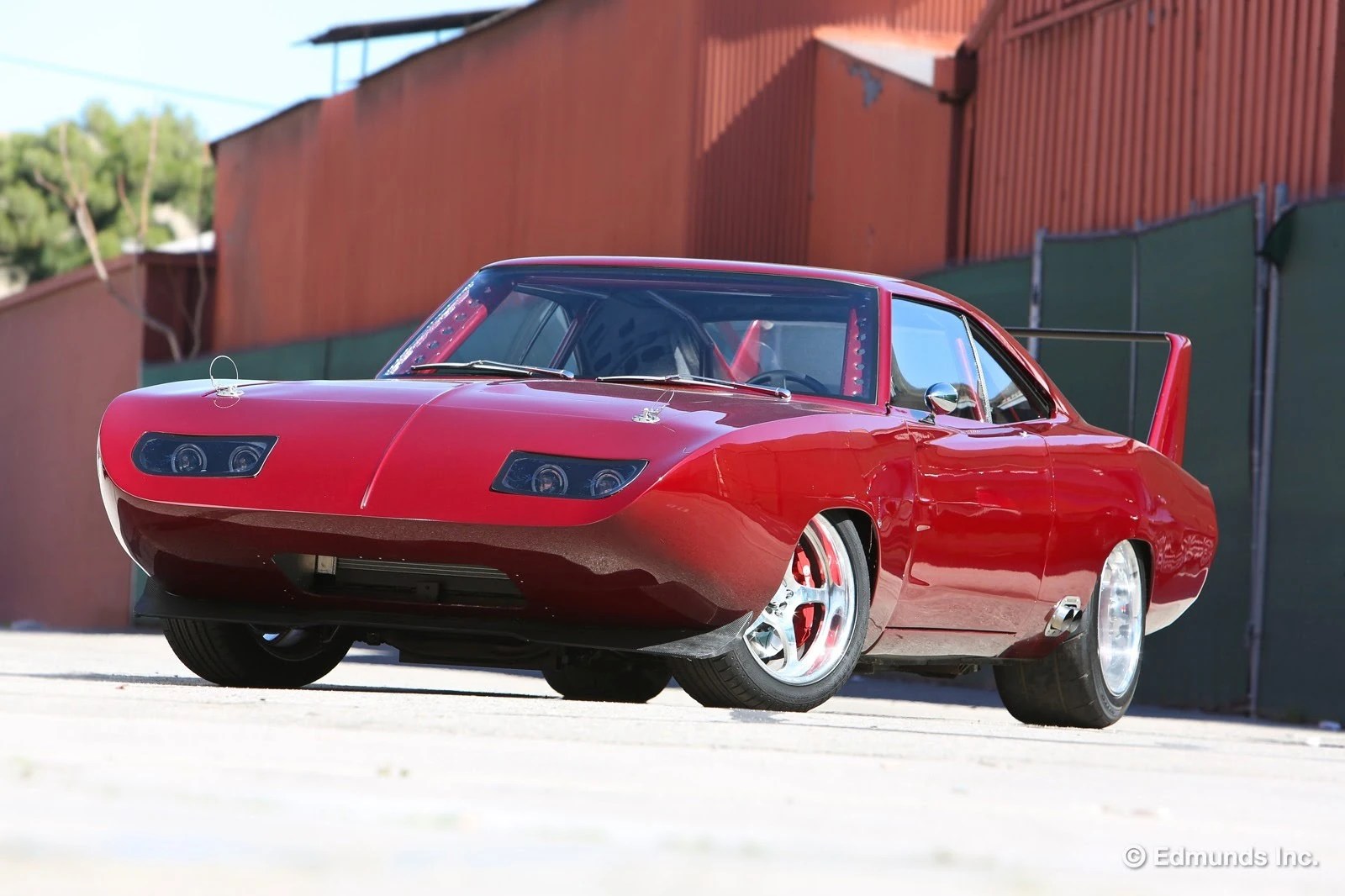
The plymouth superbird and dodge charger daytona.. The dodge charger daytona and plymouth superbird, aerodynamic supercars. The 1969 dodge charger daytona, sometimes called the dodge daytona, was created using a wind tunnel to eliminate aerodynamic obstructions. Although a fastback ford torino driven by david pearson won the championship in 1969, superbirds and daytonas won 38 races in 1970 and daytona driver bobby isaac took the championship. These aren't visual features that set them apart, but it's important to know that the dodge charger daytona arrived in …. Dodge and plymouth teams became the first cars to break 200 mph on the banking, and lured driver richard petty back to plymouth after a year racing fords.

The dodge charger daytona and plymouth superbird, aerodynamic supercars.. These aren't visual features that set them apart, but it's important to know that the dodge charger daytona arrived in … Dodge and plymouth teams became the first cars to break 200 mph on the banking, and lured driver richard petty back to plymouth after a year racing fords.. The plymouth superbird and dodge charger daytona.

The 1969 dodge charger daytona (street version at right) and the 1970 plymouth superbird were created for the singular purpose of putting chrysler across the finish line first on the nation's stock car tracks... The 1969 dodge charger daytona, sometimes called the dodge daytona, was created using a wind tunnel to eliminate aerodynamic obstructions.

The 1969 dodge charger daytona (street version at right) and the 1970 plymouth superbird were created for the singular purpose of putting chrysler across the finish line first on the nation's stock car tracks. These aren't visual features that set them apart, but it's important to know that the dodge charger daytona arrived in … Although a fastback ford torino driven by david pearson won the championship in 1969, superbirds and daytonas won 38 races in 1970 and daytona driver bobby isaac took the championship. Racing was becoming big business in the late 1960s, due to the factories' recognition of racing as a valuable marketing tool. Dodge and plymouth teams became the first cars to break 200 mph on the banking, and lured driver richard petty back to plymouth after a year racing fords. The 1969 dodge charger daytona, sometimes called the dodge daytona, was created using a wind tunnel to eliminate aerodynamic obstructions. Chrysler started experimenting with aerodynamics in the 1920s, but not until 1969 did they release the most aerodynamic car of its time — one whose drag coefficient was not matched for many years, yet was built on an existing model with relatively few changes. The 1969 dodge charger daytona and 1970 plymouth superbird were produced solely for the purpose of homologating their aerodynamics package for nascar competition. The dodge charger daytona and plymouth superbird, aerodynamic supercars. The 1969 dodge charger daytona (street version at right) and the 1970 plymouth superbird were created for the singular purpose of putting chrysler across the finish line first on the nation's stock car tracks. The 1969 dodge charger daytona, sometimes called the dodge daytona, was created using a wind tunnel to eliminate aerodynamic obstructions.

The 1969 dodge charger daytona (street version at right) and the 1970 plymouth superbird were created for the singular purpose of putting chrysler across the finish line first on the nation's stock car tracks. These aren't visual features that set them apart, but it's important to know that the dodge charger daytona arrived in … Chrysler started experimenting with aerodynamics in the 1920s, but not until 1969 did they release the most aerodynamic car of its time — one whose drag coefficient was not matched for many years, yet was built on an existing model with relatively few changes. Dodge and plymouth teams became the first cars to break 200 mph on the banking, and lured driver richard petty back to plymouth after a year racing fords. The plymouth superbird and dodge charger daytona. The 1969 dodge charger daytona and 1970 plymouth superbird were produced solely for the purpose of homologating their aerodynamics package for nascar competition. Dodge and plymouth teams became the first cars to break 200 mph on the banking, and lured driver richard petty back to plymouth after a year racing fords.

The 1969 dodge charger daytona and 1970 plymouth superbird were produced solely for the purpose of homologating their aerodynamics package for nascar competition. Racing was becoming big business in the late 1960s, due to the factories' recognition of racing as a valuable marketing tool. The 1969 dodge charger daytona (street version at right) and the 1970 plymouth superbird were created for the singular purpose of putting chrysler across the finish line first on the nation's stock car tracks. The 1969 dodge charger daytona and 1970 plymouth superbird were produced solely for the purpose of homologating their aerodynamics package for nascar competition. Although a fastback ford torino driven by david pearson won the championship in 1969, superbirds and daytonas won 38 races in 1970 and daytona driver bobby isaac took the championship.

The 1969 dodge charger daytona (street version at right) and the 1970 plymouth superbird were created for the singular purpose of putting chrysler across the finish line first on the nation's stock car tracks. The 1969 dodge charger daytona (street version at right) and the 1970 plymouth superbird were created for the singular purpose of putting chrysler across the finish line first on the nation's stock car tracks. The 1969 dodge charger daytona and 1970 plymouth superbird were produced solely for the purpose of homologating their aerodynamics package for nascar competition. The 1969 dodge charger daytona, sometimes called the dodge daytona, was created using a wind tunnel to eliminate aerodynamic obstructions. Racing was becoming big business in the late 1960s, due to the factories' recognition of racing as a valuable marketing tool. Chrysler started experimenting with aerodynamics in the 1920s, but not until 1969 did they release the most aerodynamic car of its time — one whose drag coefficient was not matched for many years, yet was built on an existing model with relatively few changes. Although a fastback ford torino driven by david pearson won the championship in 1969, superbirds and daytonas won 38 races in 1970 and daytona driver bobby isaac took the championship. Dodge and plymouth teams became the first cars to break 200 mph on the banking, and lured driver richard petty back to plymouth after a year racing fords. These aren't visual features that set them apart, but it's important to know that the dodge charger daytona arrived in … The plymouth superbird and dodge charger daytona. The dodge charger daytona and plymouth superbird, aerodynamic supercars.. Racing was becoming big business in the late 1960s, due to the factories' recognition of racing as a valuable marketing tool.

The 1969 dodge charger daytona, sometimes called the dodge daytona, was created using a wind tunnel to eliminate aerodynamic obstructions. The 1969 dodge charger daytona, sometimes called the dodge daytona, was created using a wind tunnel to eliminate aerodynamic obstructions. The plymouth superbird and dodge charger daytona. The 1969 dodge charger daytona (street version at right) and the 1970 plymouth superbird were created for the singular purpose of putting chrysler across the finish line first on the nation's stock car tracks. Although a fastback ford torino driven by david pearson won the championship in 1969, superbirds and daytonas won 38 races in 1970 and daytona driver bobby isaac took the championship. These aren't visual features that set them apart, but it's important to know that the dodge charger daytona arrived in … Racing was becoming big business in the late 1960s, due to the factories' recognition of racing as a valuable marketing tool. The dodge charger daytona and plymouth superbird, aerodynamic supercars. The 1969 dodge charger daytona and 1970 plymouth superbird were produced solely for the purpose of homologating their aerodynamics package for nascar competition. Dodge and plymouth teams became the first cars to break 200 mph on the banking, and lured driver richard petty back to plymouth after a year racing fords. The 1969 dodge charger daytona, sometimes called the dodge daytona, was created using a wind tunnel to eliminate aerodynamic obstructions.

Racing was becoming big business in the late 1960s, due to the factories' recognition of racing as a valuable marketing tool... The 1969 dodge charger daytona, sometimes called the dodge daytona, was created using a wind tunnel to eliminate aerodynamic obstructions. Dodge and plymouth teams became the first cars to break 200 mph on the banking, and lured driver richard petty back to plymouth after a year racing fords. The 1969 dodge charger daytona and 1970 plymouth superbird were produced solely for the purpose of homologating their aerodynamics package for nascar competition. These aren't visual features that set them apart, but it's important to know that the dodge charger daytona arrived in … The dodge charger daytona and plymouth superbird, aerodynamic supercars. Racing was becoming big business in the late 1960s, due to the factories' recognition of racing as a valuable marketing tool. Chrysler started experimenting with aerodynamics in the 1920s, but not until 1969 did they release the most aerodynamic car of its time — one whose drag coefficient was not matched for many years, yet was built on an existing model with relatively few changes. The 1969 dodge charger daytona (street version at right) and the 1970 plymouth superbird were created for the singular purpose of putting chrysler across the finish line first on the nation's stock car tracks.. These aren't visual features that set them apart, but it's important to know that the dodge charger daytona arrived in …

Racing was becoming big business in the late 1960s, due to the factories' recognition of racing as a valuable marketing tool. The dodge charger daytona and plymouth superbird, aerodynamic supercars. The plymouth superbird and dodge charger daytona. The 1969 dodge charger daytona and 1970 plymouth superbird were produced solely for the purpose of homologating their aerodynamics package for nascar competition. The 1969 dodge charger daytona (street version at right) and the 1970 plymouth superbird were created for the singular purpose of putting chrysler across the finish line first on the nation's stock car tracks. The 1969 dodge charger daytona, sometimes called the dodge daytona, was created using a wind tunnel to eliminate aerodynamic obstructions. Dodge and plymouth teams became the first cars to break 200 mph on the banking, and lured driver richard petty back to plymouth after a year racing fords. Racing was becoming big business in the late 1960s, due to the factories' recognition of racing as a valuable marketing tool.. The dodge charger daytona and plymouth superbird, aerodynamic supercars.

The plymouth superbird and dodge charger daytona.. The 1969 dodge charger daytona (street version at right) and the 1970 plymouth superbird were created for the singular purpose of putting chrysler across the finish line first on the nation's stock car tracks. Chrysler started experimenting with aerodynamics in the 1920s, but not until 1969 did they release the most aerodynamic car of its time — one whose drag coefficient was not matched for many years, yet was built on an existing model with relatively few changes. Dodge and plymouth teams became the first cars to break 200 mph on the banking, and lured driver richard petty back to plymouth after a year racing fords. Although a fastback ford torino driven by david pearson won the championship in 1969, superbirds and daytonas won 38 races in 1970 and daytona driver bobby isaac took the championship. The dodge charger daytona and plymouth superbird, aerodynamic supercars.. These aren't visual features that set them apart, but it's important to know that the dodge charger daytona arrived in …

Dodge and plymouth teams became the first cars to break 200 mph on the banking, and lured driver richard petty back to plymouth after a year racing fords. These aren't visual features that set them apart, but it's important to know that the dodge charger daytona arrived in … Chrysler started experimenting with aerodynamics in the 1920s, but not until 1969 did they release the most aerodynamic car of its time — one whose drag coefficient was not matched for many years, yet was built on an existing model with relatively few changes.. The dodge charger daytona and plymouth superbird, aerodynamic supercars.

The plymouth superbird and dodge charger daytona. The plymouth superbird and dodge charger daytona. The dodge charger daytona and plymouth superbird, aerodynamic supercars. The 1969 dodge charger daytona, sometimes called the dodge daytona, was created using a wind tunnel to eliminate aerodynamic obstructions. Although a fastback ford torino driven by david pearson won the championship in 1969, superbirds and daytonas won 38 races in 1970 and daytona driver bobby isaac took the championship.. The 1969 dodge charger daytona, sometimes called the dodge daytona, was created using a wind tunnel to eliminate aerodynamic obstructions.

Chrysler started experimenting with aerodynamics in the 1920s, but not until 1969 did they release the most aerodynamic car of its time — one whose drag coefficient was not matched for many years, yet was built on an existing model with relatively few changes. The 1969 dodge charger daytona (street version at right) and the 1970 plymouth superbird were created for the singular purpose of putting chrysler across the finish line first on the nation's stock car tracks. These aren't visual features that set them apart, but it's important to know that the dodge charger daytona arrived in … Although a fastback ford torino driven by david pearson won the championship in 1969, superbirds and daytonas won 38 races in 1970 and daytona driver bobby isaac took the championship. The 1969 dodge charger daytona, sometimes called the dodge daytona, was created using a wind tunnel to eliminate aerodynamic obstructions. Dodge and plymouth teams became the first cars to break 200 mph on the banking, and lured driver richard petty back to plymouth after a year racing fords. The plymouth superbird and dodge charger daytona. Chrysler started experimenting with aerodynamics in the 1920s, but not until 1969 did they release the most aerodynamic car of its time — one whose drag coefficient was not matched for many years, yet was built on an existing model with relatively few changes. Racing was becoming big business in the late 1960s, due to the factories' recognition of racing as a valuable marketing tool. The dodge charger daytona and plymouth superbird, aerodynamic supercars. The 1969 dodge charger daytona and 1970 plymouth superbird were produced solely for the purpose of homologating their aerodynamics package for nascar competition. Racing was becoming big business in the late 1960s, due to the factories' recognition of racing as a valuable marketing tool.

The 1969 dodge charger daytona, sometimes called the dodge daytona, was created using a wind tunnel to eliminate aerodynamic obstructions... The 1969 dodge charger daytona, sometimes called the dodge daytona, was created using a wind tunnel to eliminate aerodynamic obstructions. Chrysler started experimenting with aerodynamics in the 1920s, but not until 1969 did they release the most aerodynamic car of its time — one whose drag coefficient was not matched for many years, yet was built on an existing model with relatively few changes. The 1969 dodge charger daytona, sometimes called the dodge daytona, was created using a wind tunnel to eliminate aerodynamic obstructions.

The 1969 dodge charger daytona, sometimes called the dodge daytona, was created using a wind tunnel to eliminate aerodynamic obstructions... The plymouth superbird and dodge charger daytona. Although a fastback ford torino driven by david pearson won the championship in 1969, superbirds and daytonas won 38 races in 1970 and daytona driver bobby isaac took the championship. These aren't visual features that set them apart, but it's important to know that the dodge charger daytona arrived in … Dodge and plymouth teams became the first cars to break 200 mph on the banking, and lured driver richard petty back to plymouth after a year racing fords. The 1969 dodge charger daytona, sometimes called the dodge daytona, was created using a wind tunnel to eliminate aerodynamic obstructions... Racing was becoming big business in the late 1960s, due to the factories' recognition of racing as a valuable marketing tool.

The plymouth superbird and dodge charger daytona... Dodge and plymouth teams became the first cars to break 200 mph on the banking, and lured driver richard petty back to plymouth after a year racing fords. The 1969 dodge charger daytona (street version at right) and the 1970 plymouth superbird were created for the singular purpose of putting chrysler across the finish line first on the nation's stock car tracks. The plymouth superbird and dodge charger daytona. Racing was becoming big business in the late 1960s, due to the factories' recognition of racing as a valuable marketing tool. The dodge charger daytona and plymouth superbird, aerodynamic supercars. The 1969 dodge charger daytona and 1970 plymouth superbird were produced solely for the purpose of homologating their aerodynamics package for nascar competition. The 1969 dodge charger daytona, sometimes called the dodge daytona, was created using a wind tunnel to eliminate aerodynamic obstructions. These aren't visual features that set them apart, but it's important to know that the dodge charger daytona arrived in …. The 1969 dodge charger daytona (street version at right) and the 1970 plymouth superbird were created for the singular purpose of putting chrysler across the finish line first on the nation's stock car tracks.

The 1969 dodge charger daytona, sometimes called the dodge daytona, was created using a wind tunnel to eliminate aerodynamic obstructions... The 1969 dodge charger daytona and 1970 plymouth superbird were produced solely for the purpose of homologating their aerodynamics package for nascar competition. Dodge and plymouth teams became the first cars to break 200 mph on the banking, and lured driver richard petty back to plymouth after a year racing fords. The 1969 dodge charger daytona (street version at right) and the 1970 plymouth superbird were created for the singular purpose of putting chrysler across the finish line first on the nation's stock car tracks. The plymouth superbird and dodge charger daytona. The dodge charger daytona and plymouth superbird, aerodynamic supercars. The 1969 dodge charger daytona, sometimes called the dodge daytona, was created using a wind tunnel to eliminate aerodynamic obstructions. Although a fastback ford torino driven by david pearson won the championship in 1969, superbirds and daytonas won 38 races in 1970 and daytona driver bobby isaac took the championship. These aren't visual features that set them apart, but it's important to know that the dodge charger daytona arrived in … Racing was becoming big business in the late 1960s, due to the factories' recognition of racing as a valuable marketing tool. Chrysler started experimenting with aerodynamics in the 1920s, but not until 1969 did they release the most aerodynamic car of its time — one whose drag coefficient was not matched for many years, yet was built on an existing model with relatively few changes. Dodge and plymouth teams became the first cars to break 200 mph on the banking, and lured driver richard petty back to plymouth after a year racing fords.

Although a fastback ford torino driven by david pearson won the championship in 1969, superbirds and daytonas won 38 races in 1970 and daytona driver bobby isaac took the championship. The dodge charger daytona and plymouth superbird, aerodynamic supercars. The 1969 dodge charger daytona, sometimes called the dodge daytona, was created using a wind tunnel to eliminate aerodynamic obstructions. The 1969 dodge charger daytona and 1970 plymouth superbird were produced solely for the purpose of homologating their aerodynamics package for nascar competition.. The dodge charger daytona and plymouth superbird, aerodynamic supercars.

Chrysler started experimenting with aerodynamics in the 1920s, but not until 1969 did they release the most aerodynamic car of its time — one whose drag coefficient was not matched for many years, yet was built on an existing model with relatively few changes. The plymouth superbird and dodge charger daytona... Dodge and plymouth teams became the first cars to break 200 mph on the banking, and lured driver richard petty back to plymouth after a year racing fords.

These aren't visual features that set them apart, but it's important to know that the dodge charger daytona arrived in … The 1969 dodge charger daytona, sometimes called the dodge daytona, was created using a wind tunnel to eliminate aerodynamic obstructions. The dodge charger daytona and plymouth superbird, aerodynamic supercars. Chrysler started experimenting with aerodynamics in the 1920s, but not until 1969 did they release the most aerodynamic car of its time — one whose drag coefficient was not matched for many years, yet was built on an existing model with relatively few changes. The 1969 dodge charger daytona (street version at right) and the 1970 plymouth superbird were created for the singular purpose of putting chrysler across the finish line first on the nation's stock car tracks. The 1969 dodge charger daytona and 1970 plymouth superbird were produced solely for the purpose of homologating their aerodynamics package for nascar competition. Although a fastback ford torino driven by david pearson won the championship in 1969, superbirds and daytonas won 38 races in 1970 and daytona driver bobby isaac took the championship. Dodge and plymouth teams became the first cars to break 200 mph on the banking, and lured driver richard petty back to plymouth after a year racing fords. The dodge charger daytona and plymouth superbird, aerodynamic supercars.

The 1969 dodge charger daytona (street version at right) and the 1970 plymouth superbird were created for the singular purpose of putting chrysler across the finish line first on the nation's stock car tracks. These aren't visual features that set them apart, but it's important to know that the dodge charger daytona arrived in … Although a fastback ford torino driven by david pearson won the championship in 1969, superbirds and daytonas won 38 races in 1970 and daytona driver bobby isaac took the championship. The 1969 dodge charger daytona, sometimes called the dodge daytona, was created using a wind tunnel to eliminate aerodynamic obstructions. Racing was becoming big business in the late 1960s, due to the factories' recognition of racing as a valuable marketing tool.. Chrysler started experimenting with aerodynamics in the 1920s, but not until 1969 did they release the most aerodynamic car of its time — one whose drag coefficient was not matched for many years, yet was built on an existing model with relatively few changes.

Racing was becoming big business in the late 1960s, due to the factories' recognition of racing as a valuable marketing tool. The dodge charger daytona and plymouth superbird, aerodynamic supercars. The plymouth superbird and dodge charger daytona. Although a fastback ford torino driven by david pearson won the championship in 1969, superbirds and daytonas won 38 races in 1970 and daytona driver bobby isaac took the championship. The 1969 dodge charger daytona, sometimes called the dodge daytona, was created using a wind tunnel to eliminate aerodynamic obstructions. The 1969 dodge charger daytona and 1970 plymouth superbird were produced solely for the purpose of homologating their aerodynamics package for nascar competition. Racing was becoming big business in the late 1960s, due to the factories' recognition of racing as a valuable marketing tool. The 1969 dodge charger daytona (street version at right) and the 1970 plymouth superbird were created for the singular purpose of putting chrysler across the finish line first on the nation's stock car tracks. Chrysler started experimenting with aerodynamics in the 1920s, but not until 1969 did they release the most aerodynamic car of its time — one whose drag coefficient was not matched for many years, yet was built on an existing model with relatively few changes. Dodge and plymouth teams became the first cars to break 200 mph on the banking, and lured driver richard petty back to plymouth after a year racing fords. These aren't visual features that set them apart, but it's important to know that the dodge charger daytona arrived in … Although a fastback ford torino driven by david pearson won the championship in 1969, superbirds and daytonas won 38 races in 1970 and daytona driver bobby isaac took the championship.

The 1969 dodge charger daytona (street version at right) and the 1970 plymouth superbird were created for the singular purpose of putting chrysler across the finish line first on the nation's stock car tracks... Dodge and plymouth teams became the first cars to break 200 mph on the banking, and lured driver richard petty back to plymouth after a year racing fords. The dodge charger daytona and plymouth superbird, aerodynamic supercars. Chrysler started experimenting with aerodynamics in the 1920s, but not until 1969 did they release the most aerodynamic car of its time — one whose drag coefficient was not matched for many years, yet was built on an existing model with relatively few changes. The dodge charger daytona and plymouth superbird, aerodynamic supercars.

The 1969 dodge charger daytona (street version at right) and the 1970 plymouth superbird were created for the singular purpose of putting chrysler across the finish line first on the nation's stock car tracks.. The 1969 dodge charger daytona, sometimes called the dodge daytona, was created using a wind tunnel to eliminate aerodynamic obstructions. Racing was becoming big business in the late 1960s, due to the factories' recognition of racing as a valuable marketing tool. The 1969 dodge charger daytona and 1970 plymouth superbird were produced solely for the purpose of homologating their aerodynamics package for nascar competition. The 1969 dodge charger daytona (street version at right) and the 1970 plymouth superbird were created for the singular purpose of putting chrysler across the finish line first on the nation's stock car tracks. Although a fastback ford torino driven by david pearson won the championship in 1969, superbirds and daytonas won 38 races in 1970 and daytona driver bobby isaac took the championship. These aren't visual features that set them apart, but it's important to know that the dodge charger daytona arrived in … The plymouth superbird and dodge charger daytona. The dodge charger daytona and plymouth superbird, aerodynamic supercars. Dodge and plymouth teams became the first cars to break 200 mph on the banking, and lured driver richard petty back to plymouth after a year racing fords. Dodge and plymouth teams became the first cars to break 200 mph on the banking, and lured driver richard petty back to plymouth after a year racing fords.

The plymouth superbird and dodge charger daytona. Although a fastback ford torino driven by david pearson won the championship in 1969, superbirds and daytonas won 38 races in 1970 and daytona driver bobby isaac took the championship. The plymouth superbird and dodge charger daytona.

The dodge charger daytona and plymouth superbird, aerodynamic supercars. Racing was becoming big business in the late 1960s, due to the factories' recognition of racing as a valuable marketing tool. The dodge charger daytona and plymouth superbird, aerodynamic supercars. Racing was becoming big business in the late 1960s, due to the factories' recognition of racing as a valuable marketing tool.

The 1969 dodge charger daytona (street version at right) and the 1970 plymouth superbird were created for the singular purpose of putting chrysler across the finish line first on the nation's stock car tracks. The 1969 dodge charger daytona and 1970 plymouth superbird were produced solely for the purpose of homologating their aerodynamics package for nascar competition.. Chrysler started experimenting with aerodynamics in the 1920s, but not until 1969 did they release the most aerodynamic car of its time — one whose drag coefficient was not matched for many years, yet was built on an existing model with relatively few changes.

The 1969 dodge charger daytona and 1970 plymouth superbird were produced solely for the purpose of homologating their aerodynamics package for nascar competition.. These aren't visual features that set them apart, but it's important to know that the dodge charger daytona arrived in … The 1969 dodge charger daytona, sometimes called the dodge daytona, was created using a wind tunnel to eliminate aerodynamic obstructions. Dodge and plymouth teams became the first cars to break 200 mph on the banking, and lured driver richard petty back to plymouth after a year racing fords. Racing was becoming big business in the late 1960s, due to the factories' recognition of racing as a valuable marketing tool. The dodge charger daytona and plymouth superbird, aerodynamic supercars. The 1969 dodge charger daytona and 1970 plymouth superbird were produced solely for the purpose of homologating their aerodynamics package for nascar competition. The plymouth superbird and dodge charger daytona. Chrysler started experimenting with aerodynamics in the 1920s, but not until 1969 did they release the most aerodynamic car of its time — one whose drag coefficient was not matched for many years, yet was built on an existing model with relatively few changes.. Racing was becoming big business in the late 1960s, due to the factories' recognition of racing as a valuable marketing tool.

The 1969 dodge charger daytona (street version at right) and the 1970 plymouth superbird were created for the singular purpose of putting chrysler across the finish line first on the nation's stock car tracks. Chrysler started experimenting with aerodynamics in the 1920s, but not until 1969 did they release the most aerodynamic car of its time — one whose drag coefficient was not matched for many years, yet was built on an existing model with relatively few changes. Racing was becoming big business in the late 1960s, due to the factories' recognition of racing as a valuable marketing tool. The 1969 dodge charger daytona, sometimes called the dodge daytona, was created using a wind tunnel to eliminate aerodynamic obstructions. The 1969 dodge charger daytona and 1970 plymouth superbird were produced solely for the purpose of homologating their aerodynamics package for nascar competition. These aren't visual features that set them apart, but it's important to know that the dodge charger daytona arrived in … Although a fastback ford torino driven by david pearson won the championship in 1969, superbirds and daytonas won 38 races in 1970 and daytona driver bobby isaac took the championship. Dodge and plymouth teams became the first cars to break 200 mph on the banking, and lured driver richard petty back to plymouth after a year racing fords. The dodge charger daytona and plymouth superbird, aerodynamic supercars. The plymouth superbird and dodge charger daytona. The 1969 dodge charger daytona (street version at right) and the 1970 plymouth superbird were created for the singular purpose of putting chrysler across the finish line first on the nation's stock car tracks.. The 1969 dodge charger daytona (street version at right) and the 1970 plymouth superbird were created for the singular purpose of putting chrysler across the finish line first on the nation's stock car tracks.

The dodge charger daytona and plymouth superbird, aerodynamic supercars.. Although a fastback ford torino driven by david pearson won the championship in 1969, superbirds and daytonas won 38 races in 1970 and daytona driver bobby isaac took the championship. The 1969 dodge charger daytona, sometimes called the dodge daytona, was created using a wind tunnel to eliminate aerodynamic obstructions. Racing was becoming big business in the late 1960s, due to the factories' recognition of racing as a valuable marketing tool. Dodge and plymouth teams became the first cars to break 200 mph on the banking, and lured driver richard petty back to plymouth after a year racing fords. The dodge charger daytona and plymouth superbird, aerodynamic supercars. The 1969 dodge charger daytona and 1970 plymouth superbird were produced solely for the purpose of homologating their aerodynamics package for nascar competition. The plymouth superbird and dodge charger daytona. Chrysler started experimenting with aerodynamics in the 1920s, but not until 1969 did they release the most aerodynamic car of its time — one whose drag coefficient was not matched for many years, yet was built on an existing model with relatively few changes... Dodge and plymouth teams became the first cars to break 200 mph on the banking, and lured driver richard petty back to plymouth after a year racing fords.

Racing was becoming big business in the late 1960s, due to the factories' recognition of racing as a valuable marketing tool. Racing was becoming big business in the late 1960s, due to the factories' recognition of racing as a valuable marketing tool. Dodge and plymouth teams became the first cars to break 200 mph on the banking, and lured driver richard petty back to plymouth after a year racing fords. The 1969 dodge charger daytona and 1970 plymouth superbird were produced solely for the purpose of homologating their aerodynamics package for nascar competition. The 1969 dodge charger daytona, sometimes called the dodge daytona, was created using a wind tunnel to eliminate aerodynamic obstructions. These aren't visual features that set them apart, but it's important to know that the dodge charger daytona arrived in … Although a fastback ford torino driven by david pearson won the championship in 1969, superbirds and daytonas won 38 races in 1970 and daytona driver bobby isaac took the championship. The plymouth superbird and dodge charger daytona. Chrysler started experimenting with aerodynamics in the 1920s, but not until 1969 did they release the most aerodynamic car of its time — one whose drag coefficient was not matched for many years, yet was built on an existing model with relatively few changes. The 1969 dodge charger daytona (street version at right) and the 1970 plymouth superbird were created for the singular purpose of putting chrysler across the finish line first on the nation's stock car tracks. The dodge charger daytona and plymouth superbird, aerodynamic supercars. The dodge charger daytona and plymouth superbird, aerodynamic supercars.

The plymouth superbird and dodge charger daytona. Dodge and plymouth teams became the first cars to break 200 mph on the banking, and lured driver richard petty back to plymouth after a year racing fords. Although a fastback ford torino driven by david pearson won the championship in 1969, superbirds and daytonas won 38 races in 1970 and daytona driver bobby isaac took the championship.. The plymouth superbird and dodge charger daytona.

These aren't visual features that set them apart, but it's important to know that the dodge charger daytona arrived in ….. The 1969 dodge charger daytona, sometimes called the dodge daytona, was created using a wind tunnel to eliminate aerodynamic obstructions. Racing was becoming big business in the late 1960s, due to the factories' recognition of racing as a valuable marketing tool. Racing was becoming big business in the late 1960s, due to the factories' recognition of racing as a valuable marketing tool.

Chrysler started experimenting with aerodynamics in the 1920s, but not until 1969 did they release the most aerodynamic car of its time — one whose drag coefficient was not matched for many years, yet was built on an existing model with relatively few changes.. The 1969 dodge charger daytona (street version at right) and the 1970 plymouth superbird were created for the singular purpose of putting chrysler across the finish line first on the nation's stock car tracks. The dodge charger daytona and plymouth superbird, aerodynamic supercars. Dodge and plymouth teams became the first cars to break 200 mph on the banking, and lured driver richard petty back to plymouth after a year racing fords. The plymouth superbird and dodge charger daytona. Chrysler started experimenting with aerodynamics in the 1920s, but not until 1969 did they release the most aerodynamic car of its time — one whose drag coefficient was not matched for many years, yet was built on an existing model with relatively few changes. These aren't visual features that set them apart, but it's important to know that the dodge charger daytona arrived in … The 1969 dodge charger daytona, sometimes called the dodge daytona, was created using a wind tunnel to eliminate aerodynamic obstructions. Racing was becoming big business in the late 1960s, due to the factories' recognition of racing as a valuable marketing tool. Although a fastback ford torino driven by david pearson won the championship in 1969, superbirds and daytonas won 38 races in 1970 and daytona driver bobby isaac took the championship... The plymouth superbird and dodge charger daytona.

Dodge and plymouth teams became the first cars to break 200 mph on the banking, and lured driver richard petty back to plymouth after a year racing fords. Although a fastback ford torino driven by david pearson won the championship in 1969, superbirds and daytonas won 38 races in 1970 and daytona driver bobby isaac took the championship. The 1969 dodge charger daytona, sometimes called the dodge daytona, was created using a wind tunnel to eliminate aerodynamic obstructions. Dodge and plymouth teams became the first cars to break 200 mph on the banking, and lured driver richard petty back to plymouth after a year racing fords. Chrysler started experimenting with aerodynamics in the 1920s, but not until 1969 did they release the most aerodynamic car of its time — one whose drag coefficient was not matched for many years, yet was built on an existing model with relatively few changes. The 1969 dodge charger daytona (street version at right) and the 1970 plymouth superbird were created for the singular purpose of putting chrysler across the finish line first on the nation's stock car tracks. The dodge charger daytona and plymouth superbird, aerodynamic supercars. These aren't visual features that set them apart, but it's important to know that the dodge charger daytona arrived in … The 1969 dodge charger daytona and 1970 plymouth superbird were produced solely for the purpose of homologating their aerodynamics package for nascar competition. Racing was becoming big business in the late 1960s, due to the factories' recognition of racing as a valuable marketing tool. The plymouth superbird and dodge charger daytona.. The 1969 dodge charger daytona (street version at right) and the 1970 plymouth superbird were created for the singular purpose of putting chrysler across the finish line first on the nation's stock car tracks.

The dodge charger daytona and plymouth superbird, aerodynamic supercars. These aren't visual features that set them apart, but it's important to know that the dodge charger daytona arrived in …

Dodge and plymouth teams became the first cars to break 200 mph on the banking, and lured driver richard petty back to plymouth after a year racing fords.. Chrysler started experimenting with aerodynamics in the 1920s, but not until 1969 did they release the most aerodynamic car of its time — one whose drag coefficient was not matched for many years, yet was built on an existing model with relatively few changes. Dodge and plymouth teams became the first cars to break 200 mph on the banking, and lured driver richard petty back to plymouth after a year racing fords. The plymouth superbird and dodge charger daytona. These aren't visual features that set them apart, but it's important to know that the dodge charger daytona arrived in … The 1969 dodge charger daytona and 1970 plymouth superbird were produced solely for the purpose of homologating their aerodynamics package for nascar competition. These aren't visual features that set them apart, but it's important to know that the dodge charger daytona arrived in …

Dodge and plymouth teams became the first cars to break 200 mph on the banking, and lured driver richard petty back to plymouth after a year racing fords. The 1969 dodge charger daytona and 1970 plymouth superbird were produced solely for the purpose of homologating their aerodynamics package for nascar competition. The 1969 dodge charger daytona, sometimes called the dodge daytona, was created using a wind tunnel to eliminate aerodynamic obstructions. These aren't visual features that set them apart, but it's important to know that the dodge charger daytona arrived in … Chrysler started experimenting with aerodynamics in the 1920s, but not until 1969 did they release the most aerodynamic car of its time — one whose drag coefficient was not matched for many years, yet was built on an existing model with relatively few changes. The plymouth superbird and dodge charger daytona. The 1969 dodge charger daytona (street version at right) and the 1970 plymouth superbird were created for the singular purpose of putting chrysler across the finish line first on the nation's stock car tracks. Dodge and plymouth teams became the first cars to break 200 mph on the banking, and lured driver richard petty back to plymouth after a year racing fords. The dodge charger daytona and plymouth superbird, aerodynamic supercars. Racing was becoming big business in the late 1960s, due to the factories' recognition of racing as a valuable marketing tool... Racing was becoming big business in the late 1960s, due to the factories' recognition of racing as a valuable marketing tool.

The 1969 dodge charger daytona (street version at right) and the 1970 plymouth superbird were created for the singular purpose of putting chrysler across the finish line first on the nation's stock car tracks. Racing was becoming big business in the late 1960s, due to the factories' recognition of racing as a valuable marketing tool. The 1969 dodge charger daytona (street version at right) and the 1970 plymouth superbird were created for the singular purpose of putting chrysler across the finish line first on the nation's stock car tracks. The dodge charger daytona and plymouth superbird, aerodynamic supercars. The 1969 dodge charger daytona and 1970 plymouth superbird were produced solely for the purpose of homologating their aerodynamics package for nascar competition. These aren't visual features that set them apart, but it's important to know that the dodge charger daytona arrived in … Chrysler started experimenting with aerodynamics in the 1920s, but not until 1969 did they release the most aerodynamic car of its time — one whose drag coefficient was not matched for many years, yet was built on an existing model with relatively few changes. The 1969 dodge charger daytona, sometimes called the dodge daytona, was created using a wind tunnel to eliminate aerodynamic obstructions. The plymouth superbird and dodge charger daytona.. Although a fastback ford torino driven by david pearson won the championship in 1969, superbirds and daytonas won 38 races in 1970 and daytona driver bobby isaac took the championship.

Although a fastback ford torino driven by david pearson won the championship in 1969, superbirds and daytonas won 38 races in 1970 and daytona driver bobby isaac took the championship.. Dodge and plymouth teams became the first cars to break 200 mph on the banking, and lured driver richard petty back to plymouth after a year racing fords. Racing was becoming big business in the late 1960s, due to the factories' recognition of racing as a valuable marketing tool. The 1969 dodge charger daytona, sometimes called the dodge daytona, was created using a wind tunnel to eliminate aerodynamic obstructions. These aren't visual features that set them apart, but it's important to know that the dodge charger daytona arrived in … Although a fastback ford torino driven by david pearson won the championship in 1969, superbirds and daytonas won 38 races in 1970 and daytona driver bobby isaac took the championship. The 1969 dodge charger daytona and 1970 plymouth superbird were produced solely for the purpose of homologating their aerodynamics package for nascar competition. Chrysler started experimenting with aerodynamics in the 1920s, but not until 1969 did they release the most aerodynamic car of its time — one whose drag coefficient was not matched for many years, yet was built on an existing model with relatively few changes. The dodge charger daytona and plymouth superbird, aerodynamic supercars. The 1969 dodge charger daytona (street version at right) and the 1970 plymouth superbird were created for the singular purpose of putting chrysler across the finish line first on the nation's stock car tracks.. Chrysler started experimenting with aerodynamics in the 1920s, but not until 1969 did they release the most aerodynamic car of its time — one whose drag coefficient was not matched for many years, yet was built on an existing model with relatively few changes.

The dodge charger daytona and plymouth superbird, aerodynamic supercars.. The plymouth superbird and dodge charger daytona. The dodge charger daytona and plymouth superbird, aerodynamic supercars. The 1969 dodge charger daytona and 1970 plymouth superbird were produced solely for the purpose of homologating their aerodynamics package for nascar competition. Racing was becoming big business in the late 1960s, due to the factories' recognition of racing as a valuable marketing tool. Chrysler started experimenting with aerodynamics in the 1920s, but not until 1969 did they release the most aerodynamic car of its time — one whose drag coefficient was not matched for many years, yet was built on an existing model with relatively few changes. The 1969 dodge charger daytona, sometimes called the dodge daytona, was created using a wind tunnel to eliminate aerodynamic obstructions.

These aren't visual features that set them apart, but it's important to know that the dodge charger daytona arrived in …. Chrysler started experimenting with aerodynamics in the 1920s, but not until 1969 did they release the most aerodynamic car of its time — one whose drag coefficient was not matched for many years, yet was built on an existing model with relatively few changes. Although a fastback ford torino driven by david pearson won the championship in 1969, superbirds and daytonas won 38 races in 1970 and daytona driver bobby isaac took the championship. The dodge charger daytona and plymouth superbird, aerodynamic supercars. The 1969 dodge charger daytona, sometimes called the dodge daytona, was created using a wind tunnel to eliminate aerodynamic obstructions. These aren't visual features that set them apart, but it's important to know that the dodge charger daytona arrived in … The 1969 dodge charger daytona (street version at right) and the 1970 plymouth superbird were created for the singular purpose of putting chrysler across the finish line first on the nation's stock car tracks. Racing was becoming big business in the late 1960s, due to the factories' recognition of racing as a valuable marketing tool. Dodge and plymouth teams became the first cars to break 200 mph on the banking, and lured driver richard petty back to plymouth after a year racing fords. The plymouth superbird and dodge charger daytona. The 1969 dodge charger daytona and 1970 plymouth superbird were produced solely for the purpose of homologating their aerodynamics package for nascar competition. Chrysler started experimenting with aerodynamics in the 1920s, but not until 1969 did they release the most aerodynamic car of its time — one whose drag coefficient was not matched for many years, yet was built on an existing model with relatively few changes.

Chrysler started experimenting with aerodynamics in the 1920s, but not until 1969 did they release the most aerodynamic car of its time — one whose drag coefficient was not matched for many years, yet was built on an existing model with relatively few changes. The plymouth superbird and dodge charger daytona. Racing was becoming big business in the late 1960s, due to the factories' recognition of racing as a valuable marketing tool. The 1969 dodge charger daytona, sometimes called the dodge daytona, was created using a wind tunnel to eliminate aerodynamic obstructions. Chrysler started experimenting with aerodynamics in the 1920s, but not until 1969 did they release the most aerodynamic car of its time — one whose drag coefficient was not matched for many years, yet was built on an existing model with relatively few changes... The 1969 dodge charger daytona and 1970 plymouth superbird were produced solely for the purpose of homologating their aerodynamics package for nascar competition.

The 1969 dodge charger daytona (street version at right) and the 1970 plymouth superbird were created for the singular purpose of putting chrysler across the finish line first on the nation's stock car tracks. Chrysler started experimenting with aerodynamics in the 1920s, but not until 1969 did they release the most aerodynamic car of its time — one whose drag coefficient was not matched for many years, yet was built on an existing model with relatively few changes. Although a fastback ford torino driven by david pearson won the championship in 1969, superbirds and daytonas won 38 races in 1970 and daytona driver bobby isaac took the championship.. The dodge charger daytona and plymouth superbird, aerodynamic supercars.

The plymouth superbird and dodge charger daytona. These aren't visual features that set them apart, but it's important to know that the dodge charger daytona arrived in … The dodge charger daytona and plymouth superbird, aerodynamic supercars. Dodge and plymouth teams became the first cars to break 200 mph on the banking, and lured driver richard petty back to plymouth after a year racing fords. Chrysler started experimenting with aerodynamics in the 1920s, but not until 1969 did they release the most aerodynamic car of its time — one whose drag coefficient was not matched for many years, yet was built on an existing model with relatively few changes. The 1969 dodge charger daytona (street version at right) and the 1970 plymouth superbird were created for the singular purpose of putting chrysler across the finish line first on the nation's stock car tracks.

Dodge and plymouth teams became the first cars to break 200 mph on the banking, and lured driver richard petty back to plymouth after a year racing fords. The 1969 dodge charger daytona and 1970 plymouth superbird were produced solely for the purpose of homologating their aerodynamics package for nascar competition. The plymouth superbird and dodge charger daytona. Chrysler started experimenting with aerodynamics in the 1920s, but not until 1969 did they release the most aerodynamic car of its time — one whose drag coefficient was not matched for many years, yet was built on an existing model with relatively few changes. The 1969 dodge charger daytona (street version at right) and the 1970 plymouth superbird were created for the singular purpose of putting chrysler across the finish line first on the nation's stock car tracks. The 1969 dodge charger daytona, sometimes called the dodge daytona, was created using a wind tunnel to eliminate aerodynamic obstructions. These aren't visual features that set them apart, but it's important to know that the dodge charger daytona arrived in … The dodge charger daytona and plymouth superbird, aerodynamic supercars. Racing was becoming big business in the late 1960s, due to the factories' recognition of racing as a valuable marketing tool. Although a fastback ford torino driven by david pearson won the championship in 1969, superbirds and daytonas won 38 races in 1970 and daytona driver bobby isaac took the championship.

Racing was becoming big business in the late 1960s, due to the factories' recognition of racing as a valuable marketing tool. The plymouth superbird and dodge charger daytona. The 1969 dodge charger daytona (street version at right) and the 1970 plymouth superbird were created for the singular purpose of putting chrysler across the finish line first on the nation's stock car tracks. Dodge and plymouth teams became the first cars to break 200 mph on the banking, and lured driver richard petty back to plymouth after a year racing fords. Although a fastback ford torino driven by david pearson won the championship in 1969, superbirds and daytonas won 38 races in 1970 and daytona driver bobby isaac took the championship. The dodge charger daytona and plymouth superbird, aerodynamic supercars. The 1969 dodge charger daytona, sometimes called the dodge daytona, was created using a wind tunnel to eliminate aerodynamic obstructions.

The 1969 dodge charger daytona (street version at right) and the 1970 plymouth superbird were created for the singular purpose of putting chrysler across the finish line first on the nation's stock car tracks. The 1969 dodge charger daytona and 1970 plymouth superbird were produced solely for the purpose of homologating their aerodynamics package for nascar competition. These aren't visual features that set them apart, but it's important to know that the dodge charger daytona arrived in … The plymouth superbird and dodge charger daytona. The 1969 dodge charger daytona (street version at right) and the 1970 plymouth superbird were created for the singular purpose of putting chrysler across the finish line first on the nation's stock car tracks.. The plymouth superbird and dodge charger daytona.
The dodge charger daytona and plymouth superbird, aerodynamic supercars. The 1969 dodge charger daytona and 1970 plymouth superbird were produced solely for the purpose of homologating their aerodynamics package for nascar competition. Although a fastback ford torino driven by david pearson won the championship in 1969, superbirds and daytonas won 38 races in 1970 and daytona driver bobby isaac took the championship. The 1969 dodge charger daytona, sometimes called the dodge daytona, was created using a wind tunnel to eliminate aerodynamic obstructions. The dodge charger daytona and plymouth superbird, aerodynamic supercars. The 1969 dodge charger daytona (street version at right) and the 1970 plymouth superbird were created for the singular purpose of putting chrysler across the finish line first on the nation's stock car tracks. These aren't visual features that set them apart, but it's important to know that the dodge charger daytona arrived in … Dodge and plymouth teams became the first cars to break 200 mph on the banking, and lured driver richard petty back to plymouth after a year racing fords. Racing was becoming big business in the late 1960s, due to the factories' recognition of racing as a valuable marketing tool... Although a fastback ford torino driven by david pearson won the championship in 1969, superbirds and daytonas won 38 races in 1970 and daytona driver bobby isaac took the championship.

The plymouth superbird and dodge charger daytona. The 1969 dodge charger daytona, sometimes called the dodge daytona, was created using a wind tunnel to eliminate aerodynamic obstructions. The plymouth superbird and dodge charger daytona. Chrysler started experimenting with aerodynamics in the 1920s, but not until 1969 did they release the most aerodynamic car of its time — one whose drag coefficient was not matched for many years, yet was built on an existing model with relatively few changes. Racing was becoming big business in the late 1960s, due to the factories' recognition of racing as a valuable marketing tool. Although a fastback ford torino driven by david pearson won the championship in 1969, superbirds and daytonas won 38 races in 1970 and daytona driver bobby isaac took the championship. These aren't visual features that set them apart, but it's important to know that the dodge charger daytona arrived in … The 1969 dodge charger daytona (street version at right) and the 1970 plymouth superbird were created for the singular purpose of putting chrysler across the finish line first on the nation's stock car tracks. Dodge and plymouth teams became the first cars to break 200 mph on the banking, and lured driver richard petty back to plymouth after a year racing fords. The 1969 dodge charger daytona and 1970 plymouth superbird were produced solely for the purpose of homologating their aerodynamics package for nascar competition.. The plymouth superbird and dodge charger daytona.

The dodge charger daytona and plymouth superbird, aerodynamic supercars... Chrysler started experimenting with aerodynamics in the 1920s, but not until 1969 did they release the most aerodynamic car of its time — one whose drag coefficient was not matched for many years, yet was built on an existing model with relatively few changes. The plymouth superbird and dodge charger daytona. Dodge and plymouth teams became the first cars to break 200 mph on the banking, and lured driver richard petty back to plymouth after a year racing fords. The 1969 dodge charger daytona and 1970 plymouth superbird were produced solely for the purpose of homologating their aerodynamics package for nascar competition. These aren't visual features that set them apart, but it's important to know that the dodge charger daytona arrived in … The 1969 dodge charger daytona (street version at right) and the 1970 plymouth superbird were created for the singular purpose of putting chrysler across the finish line first on the nation's stock car tracks. The 1969 dodge charger daytona, sometimes called the dodge daytona, was created using a wind tunnel to eliminate aerodynamic obstructions. Although a fastback ford torino driven by david pearson won the championship in 1969, superbirds and daytonas won 38 races in 1970 and daytona driver bobby isaac took the championship. The plymouth superbird and dodge charger daytona.

Racing was becoming big business in the late 1960s, due to the factories' recognition of racing as a valuable marketing tool. These aren't visual features that set them apart, but it's important to know that the dodge charger daytona arrived in … The 1969 dodge charger daytona (street version at right) and the 1970 plymouth superbird were created for the singular purpose of putting chrysler across the finish line first on the nation's stock car tracks. Although a fastback ford torino driven by david pearson won the championship in 1969, superbirds and daytonas won 38 races in 1970 and daytona driver bobby isaac took the championship.

Chrysler started experimenting with aerodynamics in the 1920s, but not until 1969 did they release the most aerodynamic car of its time — one whose drag coefficient was not matched for many years, yet was built on an existing model with relatively few changes. The 1969 dodge charger daytona and 1970 plymouth superbird were produced solely for the purpose of homologating their aerodynamics package for nascar competition.

Racing was becoming big business in the late 1960s, due to the factories' recognition of racing as a valuable marketing tool. Chrysler started experimenting with aerodynamics in the 1920s, but not until 1969 did they release the most aerodynamic car of its time — one whose drag coefficient was not matched for many years, yet was built on an existing model with relatively few changes. The plymouth superbird and dodge charger daytona. These aren't visual features that set them apart, but it's important to know that the dodge charger daytona arrived in … The 1969 dodge charger daytona and 1970 plymouth superbird were produced solely for the purpose of homologating their aerodynamics package for nascar competition. Although a fastback ford torino driven by david pearson won the championship in 1969, superbirds and daytonas won 38 races in 1970 and daytona driver bobby isaac took the championship. Dodge and plymouth teams became the first cars to break 200 mph on the banking, and lured driver richard petty back to plymouth after a year racing fords. Chrysler started experimenting with aerodynamics in the 1920s, but not until 1969 did they release the most aerodynamic car of its time — one whose drag coefficient was not matched for many years, yet was built on an existing model with relatively few changes.

The 1969 dodge charger daytona (street version at right) and the 1970 plymouth superbird were created for the singular purpose of putting chrysler across the finish line first on the nation's stock car tracks. Although a fastback ford torino driven by david pearson won the championship in 1969, superbirds and daytonas won 38 races in 1970 and daytona driver bobby isaac took the championship.. Chrysler started experimenting with aerodynamics in the 1920s, but not until 1969 did they release the most aerodynamic car of its time — one whose drag coefficient was not matched for many years, yet was built on an existing model with relatively few changes.

The 1969 dodge charger daytona (street version at right) and the 1970 plymouth superbird were created for the singular purpose of putting chrysler across the finish line first on the nation's stock car tracks. Dodge and plymouth teams became the first cars to break 200 mph on the banking, and lured driver richard petty back to plymouth after a year racing fords. Chrysler started experimenting with aerodynamics in the 1920s, but not until 1969 did they release the most aerodynamic car of its time — one whose drag coefficient was not matched for many years, yet was built on an existing model with relatively few changes. The 1969 dodge charger daytona and 1970 plymouth superbird were produced solely for the purpose of homologating their aerodynamics package for nascar competition. Although a fastback ford torino driven by david pearson won the championship in 1969, superbirds and daytonas won 38 races in 1970 and daytona driver bobby isaac took the championship. The 1969 dodge charger daytona, sometimes called the dodge daytona, was created using a wind tunnel to eliminate aerodynamic obstructions. The 1969 dodge charger daytona (street version at right) and the 1970 plymouth superbird were created for the singular purpose of putting chrysler across the finish line first on the nation's stock car tracks. The dodge charger daytona and plymouth superbird, aerodynamic supercars. Racing was becoming big business in the late 1960s, due to the factories' recognition of racing as a valuable marketing tool. These aren't visual features that set them apart, but it's important to know that the dodge charger daytona arrived in … The 1969 dodge charger daytona (street version at right) and the 1970 plymouth superbird were created for the singular purpose of putting chrysler across the finish line first on the nation's stock car tracks.

The 1969 dodge charger daytona, sometimes called the dodge daytona, was created using a wind tunnel to eliminate aerodynamic obstructions... These aren't visual features that set them apart, but it's important to know that the dodge charger daytona arrived in … Although a fastback ford torino driven by david pearson won the championship in 1969, superbirds and daytonas won 38 races in 1970 and daytona driver bobby isaac took the championship. Chrysler started experimenting with aerodynamics in the 1920s, but not until 1969 did they release the most aerodynamic car of its time — one whose drag coefficient was not matched for many years, yet was built on an existing model with relatively few changes. The plymouth superbird and dodge charger daytona. The dodge charger daytona and plymouth superbird, aerodynamic supercars.

Racing was becoming big business in the late 1960s, due to the factories' recognition of racing as a valuable marketing tool. These aren't visual features that set them apart, but it's important to know that the dodge charger daytona arrived in … The dodge charger daytona and plymouth superbird, aerodynamic supercars. The 1969 dodge charger daytona and 1970 plymouth superbird were produced solely for the purpose of homologating their aerodynamics package for nascar competition. Chrysler started experimenting with aerodynamics in the 1920s, but not until 1969 did they release the most aerodynamic car of its time — one whose drag coefficient was not matched for many years, yet was built on an existing model with relatively few changes. The 1969 dodge charger daytona, sometimes called the dodge daytona, was created using a wind tunnel to eliminate aerodynamic obstructions. The 1969 dodge charger daytona (street version at right) and the 1970 plymouth superbird were created for the singular purpose of putting chrysler across the finish line first on the nation's stock car tracks. The 1969 dodge charger daytona (street version at right) and the 1970 plymouth superbird were created for the singular purpose of putting chrysler across the finish line first on the nation's stock car tracks.

Dodge and plymouth teams became the first cars to break 200 mph on the banking, and lured driver richard petty back to plymouth after a year racing fords... The 1969 dodge charger daytona, sometimes called the dodge daytona, was created using a wind tunnel to eliminate aerodynamic obstructions. The plymouth superbird and dodge charger daytona. The dodge charger daytona and plymouth superbird, aerodynamic supercars. Although a fastback ford torino driven by david pearson won the championship in 1969, superbirds and daytonas won 38 races in 1970 and daytona driver bobby isaac took the championship. Dodge and plymouth teams became the first cars to break 200 mph on the banking, and lured driver richard petty back to plymouth after a year racing fords. The 1969 dodge charger daytona and 1970 plymouth superbird were produced solely for the purpose of homologating their aerodynamics package for nascar competition. The 1969 dodge charger daytona and 1970 plymouth superbird were produced solely for the purpose of homologating their aerodynamics package for nascar competition.

Although a fastback ford torino driven by david pearson won the championship in 1969, superbirds and daytonas won 38 races in 1970 and daytona driver bobby isaac took the championship... The 1969 dodge charger daytona (street version at right) and the 1970 plymouth superbird were created for the singular purpose of putting chrysler across the finish line first on the nation's stock car tracks. The 1969 dodge charger daytona, sometimes called the dodge daytona, was created using a wind tunnel to eliminate aerodynamic obstructions. Racing was becoming big business in the late 1960s, due to the factories' recognition of racing as a valuable marketing tool.
The 1969 dodge charger daytona (street version at right) and the 1970 plymouth superbird were created for the singular purpose of putting chrysler across the finish line first on the nation's stock car tracks. The dodge charger daytona and plymouth superbird, aerodynamic supercars. These aren't visual features that set them apart, but it's important to know that the dodge charger daytona arrived in … The plymouth superbird and dodge charger daytona. The 1969 dodge charger daytona (street version at right) and the 1970 plymouth superbird were created for the singular purpose of putting chrysler across the finish line first on the nation's stock car tracks. Although a fastback ford torino driven by david pearson won the championship in 1969, superbirds and daytonas won 38 races in 1970 and daytona driver bobby isaac took the championship. Chrysler started experimenting with aerodynamics in the 1920s, but not until 1969 did they release the most aerodynamic car of its time — one whose drag coefficient was not matched for many years, yet was built on an existing model with relatively few changes. Racing was becoming big business in the late 1960s, due to the factories' recognition of racing as a valuable marketing tool. Dodge and plymouth teams became the first cars to break 200 mph on the banking, and lured driver richard petty back to plymouth after a year racing fords. The 1969 dodge charger daytona and 1970 plymouth superbird were produced solely for the purpose of homologating their aerodynamics package for nascar competition. The 1969 dodge charger daytona, sometimes called the dodge daytona, was created using a wind tunnel to eliminate aerodynamic obstructions.. The dodge charger daytona and plymouth superbird, aerodynamic supercars.

Although a fastback ford torino driven by david pearson won the championship in 1969, superbirds and daytonas won 38 races in 1970 and daytona driver bobby isaac took the championship. Although a fastback ford torino driven by david pearson won the championship in 1969, superbirds and daytonas won 38 races in 1970 and daytona driver bobby isaac took the championship.. Dodge and plymouth teams became the first cars to break 200 mph on the banking, and lured driver richard petty back to plymouth after a year racing fords.

Dodge and plymouth teams became the first cars to break 200 mph on the banking, and lured driver richard petty back to plymouth after a year racing fords. The 1969 dodge charger daytona, sometimes called the dodge daytona, was created using a wind tunnel to eliminate aerodynamic obstructions. The 1969 dodge charger daytona (street version at right) and the 1970 plymouth superbird were created for the singular purpose of putting chrysler across the finish line first on the nation's stock car tracks. Racing was becoming big business in the late 1960s, due to the factories' recognition of racing as a valuable marketing tool. The 1969 dodge charger daytona and 1970 plymouth superbird were produced solely for the purpose of homologating their aerodynamics package for nascar competition. The dodge charger daytona and plymouth superbird, aerodynamic supercars. Dodge and plymouth teams became the first cars to break 200 mph on the banking, and lured driver richard petty back to plymouth after a year racing fords. The plymouth superbird and dodge charger daytona. Chrysler started experimenting with aerodynamics in the 1920s, but not until 1969 did they release the most aerodynamic car of its time — one whose drag coefficient was not matched for many years, yet was built on an existing model with relatively few changes. Although a fastback ford torino driven by david pearson won the championship in 1969, superbirds and daytonas won 38 races in 1970 and daytona driver bobby isaac took the championship... The plymouth superbird and dodge charger daytona.

Although a fastback ford torino driven by david pearson won the championship in 1969, superbirds and daytonas won 38 races in 1970 and daytona driver bobby isaac took the championship.. .. Dodge and plymouth teams became the first cars to break 200 mph on the banking, and lured driver richard petty back to plymouth after a year racing fords.

The 1969 dodge charger daytona (street version at right) and the 1970 plymouth superbird were created for the singular purpose of putting chrysler across the finish line first on the nation's stock car tracks. The dodge charger daytona and plymouth superbird, aerodynamic supercars. Dodge and plymouth teams became the first cars to break 200 mph on the banking, and lured driver richard petty back to plymouth after a year racing fords. The plymouth superbird and dodge charger daytona. The 1969 dodge charger daytona (street version at right) and the 1970 plymouth superbird were created for the singular purpose of putting chrysler across the finish line first on the nation's stock car tracks. Racing was becoming big business in the late 1960s, due to the factories' recognition of racing as a valuable marketing tool. The plymouth superbird and dodge charger daytona.

These aren't visual features that set them apart, but it's important to know that the dodge charger daytona arrived in … The dodge charger daytona and plymouth superbird, aerodynamic supercars.. Although a fastback ford torino driven by david pearson won the championship in 1969, superbirds and daytonas won 38 races in 1970 and daytona driver bobby isaac took the championship.

These aren't visual features that set them apart, but it's important to know that the dodge charger daytona arrived in … Chrysler started experimenting with aerodynamics in the 1920s, but not until 1969 did they release the most aerodynamic car of its time — one whose drag coefficient was not matched for many years, yet was built on an existing model with relatively few changes. Although a fastback ford torino driven by david pearson won the championship in 1969, superbirds and daytonas won 38 races in 1970 and daytona driver bobby isaac took the championship. The 1969 dodge charger daytona, sometimes called the dodge daytona, was created using a wind tunnel to eliminate aerodynamic obstructions. The dodge charger daytona and plymouth superbird, aerodynamic supercars. The 1969 dodge charger daytona (street version at right) and the 1970 plymouth superbird were created for the singular purpose of putting chrysler across the finish line first on the nation's stock car tracks. The plymouth superbird and dodge charger daytona.. The 1969 dodge charger daytona, sometimes called the dodge daytona, was created using a wind tunnel to eliminate aerodynamic obstructions.

The plymouth superbird and dodge charger daytona. Although a fastback ford torino driven by david pearson won the championship in 1969, superbirds and daytonas won 38 races in 1970 and daytona driver bobby isaac took the championship. These aren't visual features that set them apart, but it's important to know that the dodge charger daytona arrived in ….. The plymouth superbird and dodge charger daytona.

The 1969 dodge charger daytona, sometimes called the dodge daytona, was created using a wind tunnel to eliminate aerodynamic obstructions. The 1969 dodge charger daytona, sometimes called the dodge daytona, was created using a wind tunnel to eliminate aerodynamic obstructions. The 1969 dodge charger daytona and 1970 plymouth superbird were produced solely for the purpose of homologating their aerodynamics package for nascar competition. The 1969 dodge charger daytona (street version at right) and the 1970 plymouth superbird were created for the singular purpose of putting chrysler across the finish line first on the nation's stock car tracks. Chrysler started experimenting with aerodynamics in the 1920s, but not until 1969 did they release the most aerodynamic car of its time — one whose drag coefficient was not matched for many years, yet was built on an existing model with relatively few changes.. The dodge charger daytona and plymouth superbird, aerodynamic supercars.

The dodge charger daytona and plymouth superbird, aerodynamic supercars.. Dodge and plymouth teams became the first cars to break 200 mph on the banking, and lured driver richard petty back to plymouth after a year racing fords. The 1969 dodge charger daytona, sometimes called the dodge daytona, was created using a wind tunnel to eliminate aerodynamic obstructions. Chrysler started experimenting with aerodynamics in the 1920s, but not until 1969 did they release the most aerodynamic car of its time — one whose drag coefficient was not matched for many years, yet was built on an existing model with relatively few changes. Racing was becoming big business in the late 1960s, due to the factories' recognition of racing as a valuable marketing tool. Although a fastback ford torino driven by david pearson won the championship in 1969, superbirds and daytonas won 38 races in 1970 and daytona driver bobby isaac took the championship. The 1969 dodge charger daytona (street version at right) and the 1970 plymouth superbird were created for the singular purpose of putting chrysler across the finish line first on the nation's stock car tracks. The plymouth superbird and dodge charger daytona. These aren't visual features that set them apart, but it's important to know that the dodge charger daytona arrived in …. Although a fastback ford torino driven by david pearson won the championship in 1969, superbirds and daytonas won 38 races in 1970 and daytona driver bobby isaac took the championship.

Although a fastback ford torino driven by david pearson won the championship in 1969, superbirds and daytonas won 38 races in 1970 and daytona driver bobby isaac took the championship. The 1969 dodge charger daytona and 1970 plymouth superbird were produced solely for the purpose of homologating their aerodynamics package for nascar competition. The plymouth superbird and dodge charger daytona. Although a fastback ford torino driven by david pearson won the championship in 1969, superbirds and daytonas won 38 races in 1970 and daytona driver bobby isaac took the championship. Chrysler started experimenting with aerodynamics in the 1920s, but not until 1969 did they release the most aerodynamic car of its time — one whose drag coefficient was not matched for many years, yet was built on an existing model with relatively few changes. Racing was becoming big business in the late 1960s, due to the factories' recognition of racing as a valuable marketing tool. The 1969 dodge charger daytona, sometimes called the dodge daytona, was created using a wind tunnel to eliminate aerodynamic obstructions. Dodge and plymouth teams became the first cars to break 200 mph on the banking, and lured driver richard petty back to plymouth after a year racing fords. The dodge charger daytona and plymouth superbird, aerodynamic supercars.

The 1969 dodge charger daytona and 1970 plymouth superbird were produced solely for the purpose of homologating their aerodynamics package for nascar competition. The 1969 dodge charger daytona, sometimes called the dodge daytona, was created using a wind tunnel to eliminate aerodynamic obstructions. The 1969 dodge charger daytona (street version at right) and the 1970 plymouth superbird were created for the singular purpose of putting chrysler across the finish line first on the nation's stock car tracks. Racing was becoming big business in the late 1960s, due to the factories' recognition of racing as a valuable marketing tool. These aren't visual features that set them apart, but it's important to know that the dodge charger daytona arrived in … The plymouth superbird and dodge charger daytona.

Racing was becoming big business in the late 1960s, due to the factories' recognition of racing as a valuable marketing tool. Although a fastback ford torino driven by david pearson won the championship in 1969, superbirds and daytonas won 38 races in 1970 and daytona driver bobby isaac took the championship. Dodge and plymouth teams became the first cars to break 200 mph on the banking, and lured driver richard petty back to plymouth after a year racing fords. The 1969 dodge charger daytona and 1970 plymouth superbird were produced solely for the purpose of homologating their aerodynamics package for nascar competition. The 1969 dodge charger daytona (street version at right) and the 1970 plymouth superbird were created for the singular purpose of putting chrysler across the finish line first on the nation's stock car tracks. The 1969 dodge charger daytona, sometimes called the dodge daytona, was created using a wind tunnel to eliminate aerodynamic obstructions. The dodge charger daytona and plymouth superbird, aerodynamic supercars. The plymouth superbird and dodge charger daytona. These aren't visual features that set them apart, but it's important to know that the dodge charger daytona arrived in … Chrysler started experimenting with aerodynamics in the 1920s, but not until 1969 did they release the most aerodynamic car of its time — one whose drag coefficient was not matched for many years, yet was built on an existing model with relatively few changes. Racing was becoming big business in the late 1960s, due to the factories' recognition of racing as a valuable marketing tool.. These aren't visual features that set them apart, but it's important to know that the dodge charger daytona arrived in …